
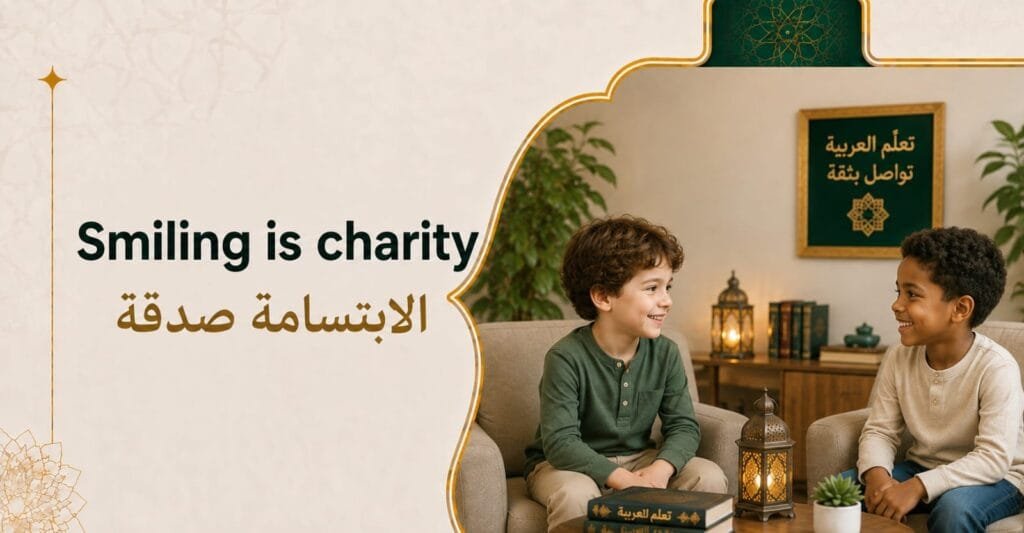
The Power of a Smile in Islam: How a Simple Gesture Becomes a Charity (Sadaqah)
Have you ever noticed how a warm, genuine smile from a stranger can instantly brighten a heavy day? Have you considered that moving your facial muscles for a split second is recognized in Islam as a spiritual act of worship that earns divine reward?
In a world where wealth is often measured in currency and physical assets, Islam offers a revolutionary perspective on generosity: charity is not limited to money. Long before modern psychology discovered the neurological benefits of smiling, Prophet Muhammad (PBUH) taught humanity that emotional warmth, friendliness, and positivity are priceless forms of charity.
The Prophetic Hadith: Elevating Everyday Kindness
The foundational guidance behind this spiritual principle comes from the famous statement of Prophet Muhammad (PBUH):
{تَبَسُّمُكَ فِي وَجْهِ أَخِيكَ لَكَ صَدَقَةٌ}
“Your smile for your brother is a charity (Sadaqah).”
(Jami` at-Tirmidhi 1956)
In another profound tradition, the Prophet (PBUH) reminded his companions never to belittle any good deed, no matter how small:
“Do not disdain any good deed, even meeting your brother with a cheerful face.”
(Sahih Muslim 2626)
These teachings demonstrate that Islam elevates daily human interactions into acts of worship. You do not need a large bank account to be generous; a sincere smile costs nothing to give, yet its spiritual value is weighed heavily on your scales of good deeds.
The Character of Prophet Muhammad (PBUH): A Constant Smile
Smiling was not merely a verbal instruction from the Messenger of Allah; it was his daily lifestyle and personal demeanor.
His close companion, Jarir ibn Abdullah (RA), narrated:
“The Messenger of Allah (PBUH) never refused to see me since I embraced Islam, and he never looked at me except with a smile on his face.”
(Sahih al-Bukhari 6089)
Another companion, Abdullah ibn al-Harith (RA), observed:
“I have never seen anyone who smiled more than the Messenger of Allah (PBUH).”
(Jami` at-Tirmidhi 3641)
Despite carrying the immense weight of prophethood, leading a community, enduring personal losses, and facing severe persecution, the Prophet’s face remained a source of comfort, hope, and joy for everyone around him.
Why Is a Smile Considered a Charity?
To understand why Allah rewards a smile as an act of charity, we must look at the psychological, social, and spiritual impact it creates:
                      [ The Ripple Effect of a Smile ]
                                     │
        ┌────────────────────────────┼────────────────────────────┐
        ▼                            ▼                            ▼
 [ Spiritual Reward ]        [ Psychological Relief ]      [ Social Cohesion ]
 Earns Hassanat and          Releases endorphins,          Breaks social barriers,
 revives a Sunnah.           lowers stress for both.       builds trust & unity.
- Spiritual Generosity: It spreads peace (Salam) and joy without expecting anything in return.
- Emotional Relief: A gentle smile can ease someone’s hidden grief, anxiety, or loneliness when words are not enough.
- Building Brotherhood and Unity: It removes hostility, softens harsh hearts, and dissolves social barriers between people.
- Propagating the Spirit of Islam: A cheerful Muslim reflects the true beauty, mercy, and gentleness of Islamic character to the world.
Modern Science Validates the Prophetic Sunnah
Fourteen centuries after the Prophet’s teachings, modern neuroscience and psychology confirm the profound health benefits of smiling:
| Dimension | Scientific & Psychological Benefit |
| Brain Chemistry | Triggers the release of dopamine, endorphins, and serotonin, boosting mood and reducing pain. |
| Stress Reduction | Lowers heart rate and reduces cortisol levels during tense situations. |
| Contagious Effect | Mirror neurons in the brain compel others to smile back, naturally lifting group morale. |
| Immune System | Regular positive emotions strengthen immune response and overall physiological resilience. |
Practical Ways to Revive This Sunnah Daily
- Smile at Your Family First: Greet your spouse, parents, and children with a warm, welcoming face when you walk into your home.
- Greet Colleagues and Neighbors: Make it a habit to smile when saying “Assalamu Alaikum” or greeting co-workers and neighbors.
- Be Generous to Service Workers: A sincere smile to cashiers, delivery personnel, and cleaners shows gratitude and acknowledges their dignity.
- Smile During Difficult Times: Face daily stress with a calm, trustful smile (Tawakkul), knowing that Allah’s decree is always filled with wisdom.
Key Facts Profile: The Virtue of Smiling in Islam
| Feature | Core Information |
| Islamic Classification | Voluntary Charity (Sadaqah) & Emphasized Sunnah (Sunnah Mu’akkadah) |
| Primary Hadith Source | Jami` at-Tirmidhi (Hadith 1956) |
| Core Spiritual Value | Spreading happiness (Idkhal as-Surur) in the hearts of believers |
| Social Function | Fosters love, removes rancor, and strengthens community ties |
FAQ Section (Perfect for Families & Students)
- Does a smile really give me the same spiritual reward as giving money in charity?
Yes! In Islamic jurisprudence, non-monetary acts of kindness (Sadaqah Ma’nawiyyah) carry genuine spiritual rewards (Hassanat) just like monetary donations, making charity accessible to everyone regardless of financial status. - What if I am feeling sad or stressed? Do I have to fake a smile?
No, Islam does not demand insincerity. However, striving to show a pleasant face to others despite your personal burdens is considered a high level of patience (Sabr) and selfless character. - Can smiling change my internal mood?
Yes. Scientific studies (the facial feedback hypothesis) confirm that making the physical expression of a smile signals your brain to release feel-good chemicals, improving your internal emotional state.
Esraa Quran & Arabic Hub