
The Etiquette of visiting in Islam
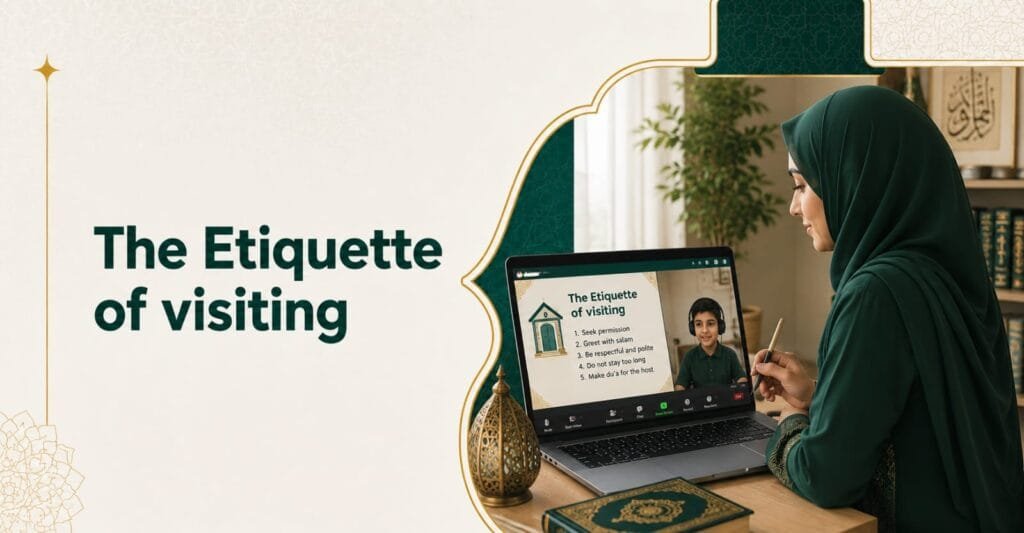
In today’s fast-paced, hyper-connected digital world, personal visits are increasingly replaced by text messages and social media updates. Yet, face-to-face connection remains a fundamental pillar of human well-being. Visiting family, friends, neighbors, and the sick is not merely a social obligation in Islam; it is an act of worship that strengthens community ties and earns immense spiritual reward.
Islam elevates everyday social interactions into acts of mindfulness through Adab al-Ziyarah (The Etiquette of Visiting). These prophetic manners ensure that visits foster love and warm hospitality without causing discomfort, burden, or an invasion of privacy for the host.
1. The Purpose of Visiting: Building Bonds for the Sake of Allah
The Prophet Muhammad ($\approx$) taught us that visiting one another with pure intentions brings divine love and blessings. In a famous Hadith, the Prophet ($\approx$) related that a man visited a brother in another town solely for the sake of Allah. An angel was sent to inform him: “Allah loves you as you have loved this brother for His sake.” (Sahih Muslim).
When we visit relatives (maintaining Silat al-Arham), checking on neighbors, or comforting the sick (Iyadat al-Marid), our visits should be rooted in sincerity, affection, and mutual respect.
                         [ The Dual Benefits of Visiting ]
                                         │
          ┌──────────────────────────────┴──────────────────────────────┐
          ▼                                                             ▼
 [ Social Harmony ]                                           [ Spiritual Reward ]
 Strengthens community ties, reduces                         Earns Allah's love, angels' supplications,
 isolation, and fosters empathy.                             and purifies the heart from envy.
2. The Prophetic Blueprint: Core Etiquettes of Visiting
To ensure visits remain a source of joy rather than stress, Islam establishes clear guidelines for guests before, during, and after a visit:
1. Seek Permission First (An-Nasiha & Isti’dhan)
Never show up unannounced unless it is an emergency. Always request permission beforehand via phone, message, or invitation. Allah explicitly commands in the Quran:
“O you who have believed, do not enter houses other than your own houses until you ascertain welcome and greet their inhabitants. That is better for you; perhaps you will be reminded.” (Surah An-Nur, 24:27)
2. Choose Appropriate Times
Avoid visiting at times designated for rest, family privacy, or prayer. Classical scholars recommend avoiding early mornings, late nights, and meal times unless specifically invited.
3. The Protocol of Seeking Entry (Knocking Three Times)
When arriving at the door, stand slightly to the left or right—not directly in front of the door—to respect the host’s privacy when they open it. Knock or ring gentle three times. If there is no answer, or if the host politely excuses themselves, depart gracefully without feeling offended.
4. Greet with Peace (Salam) and Warmth
Upon entering, initiate the greeting of peace: “Assalamu Alaikum Wa Rahmatullahi Wa Barakatuh.” This invocation brings tranquility and blessings into the home.
5. Lower the Gaze and Respect Privacy
A guest must guard their eyes and avoid scanning the host’s home, private rooms, or personal belongings. Respecting the privacy of the household builds deep trust.
6. Do Not Overstay Your Welcome
The Prophet ($\approx$) taught that hospitality is an obligation for three days; anything beyond that is charity. For routine social visits, keep them brief and light so as not to burden the host’s schedule or household routine.
7. Bring a Token of Appreciation (Gifts)
Exchanging gifts, no matter how small, softens hearts and increases love. The Prophet ($\approx$) said: “Give gifts to one another, and you will love one another.” (Al-Adab Al-Mufrad).
8. Make Supplication (Dua) for Your Host
Before leaving, express genuine gratitude and recite the Prophetic supplication for the host:
“Allahumma barik lahum fima razaqtahum, waghfir lahum warhamhum.”
(O Allah, bless them in what You have provided for them, forgive them, and have mercy upon them.)
3. Visiting the Sick (Iyadat al-Marid): A Sacred Duty
Visiting those who are ill carries a special spiritual status. When you visit a sick person:
- Keep it brief: Ensure your stay does not tire or overwhelm the patient.
- Offer words of hope: Speak comforting, uplifting words that bring optimism.
- Make Dua for healing: Recite the Sunnah prayer: “As’alullah al-‘Adheem, Rabbal-‘Arshil-‘Adheem, an yashfiyak” (I ask Allah the Supreme, Lord of the Magnificent Throne, to cure you).
Cultivating Character and Manners at Esraa Quran & Arabic Hub
At Esraa Quran & Arabic Hub, learning the Quran and classical Arabic goes hand-in-hand with developing noble Islamic character (Adab).
In our personalized 1-on-1 private sessions, our expert instructors guide young learners in the West to embody these prophetic manners in their daily lives—building confident, respectful, and compassionate Muslim identities.
- 👉 [Click Here to Download Your Free Posters on Facebook & Instagram]
- 👉 [Book a 100% Free Trial Private Session for Your Child Now] — Give your child the opportunity to step into a beautiful, structured, and visually engaging online learning space that transforms classical knowledge into living, confident character.
Esraa Quran & Arabic Hub
Connecting Hearts to the Divine Revelation, Wherever You Are.
📩 Contact us at: info@esraaquranarabichub.com